"Fun and Easy DIY Measurement Experiments to Try at Home"
Category : Electrical Metrology en | Sub Category : Posted on 2025-11-03 22:25:23
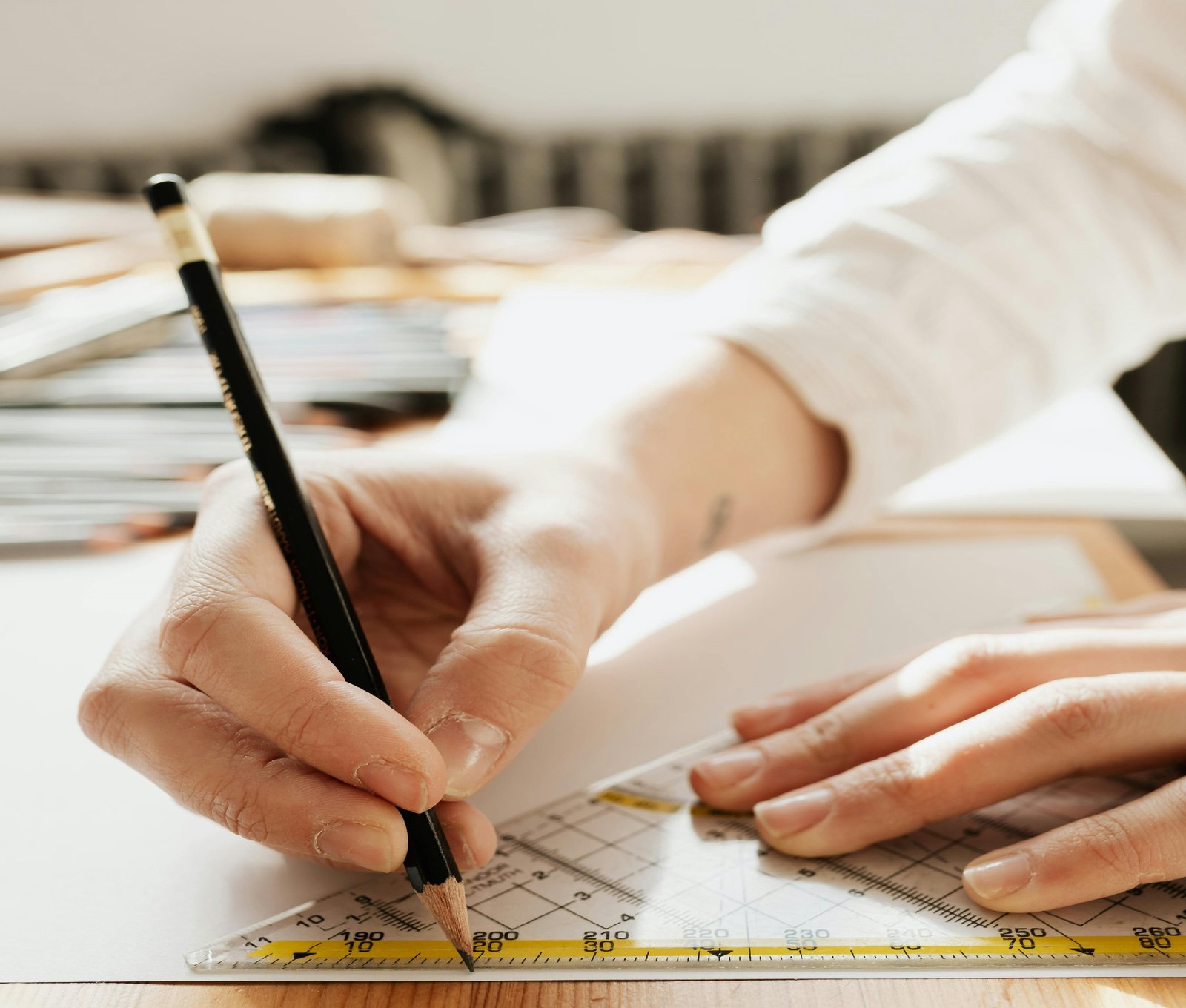
Are you looking for a hands-on way to learn about measurement? DIY experiments are a fantastic way to explore this concept while having fun at the same time. In this blog post, we will share some engaging and educational measurement experiments that you can try at home. These experiments are suitable for kids and adults alike and require simple materials that you may already have on hand. Let's dive in and discover the exciting world of measurement through these DIY experiments! 1. Measuring Volume with Kitchen Ingredients: Gather some common kitchen ingredients such as water, flour, sugar, and rice. Using different measuring cups and spoons, challenge yourself to measure out specific volumes of these ingredients accurately. For example, how many cups of flour equal one cup of sugar? This experiment will not only sharpen your measurement skills but also give you a better understanding of volume and capacity. 2. DIY Ruler Making: Create your own ruler using a piece of paper and a ruler as a guide. Start by drawing a straight line and marking off inches or centimeters. Test your DIY ruler by measuring different objects around your home. This experiment will help you appreciate the importance of standard units of measurement and precision in measuring. 3. Estimating and Measuring Length: Pick several objects of varying lengths and widths. Without using any measuring tools initially, estimate the measurements of these objects. Then, use a ruler or measuring tape to find the exact measurements. Compare your estimations with the actual measurements and reflect on the accuracy of your estimates. This experiment will improve your skills in estimating length and provide insights into the importance of precise measurement. 4. Measuring Weight with a DIY Balance Scale: Create a simple balance scale using a ruler, two cups, and some string. Place different objects in the cups and adjust their positions until the scale is balanced. By comparing the weights of various objects, you can practice measuring weight using a non-traditional method. This experiment will enhance your understanding of weight measurement and the concept of balance. 5. Measuring Time with DIY Sundial: Construct a sundial using a stick planted in a sunny spot and marking the shadow it casts at different times of the day. By observing how the shadow changes position throughout the day, you can estimate the time based on the sundial. This experiment will deepen your understanding of time measurement and the Earth's rotation. In conclusion, these DIY measurement experiments offer a creative and engaging way to enhance your measurement skills and knowledge. Whether you are exploring volume, length, weight, or time, these experiments will provide valuable insights into the world of measurement. So, gather your materials, unleash your curiosity, and embark on a measurement adventure right in the comfort of your home! If you are interested you can check https://www.tknl.org Seeking answers? You might find them in https://www.arreglar.org
Leave a Comment:
SEARCH
Recent News
- Zurich, Switzerland is a beautiful city known for its stunning landscapes, rich history, and vibrant culture. One interesting aspect of Zurich that often goes unnoticed is its unique measurement system. Switzerland, like many European countries, uses the metric system for most measurements. However, there are a few local quirks that make Zurich's measurement system stand out.
- Zurich, Switzerland is known for its stunning landscapes, rich history, and thriving economy. One aspect of Zurich that may not be as well-known is its importance in the field of calibration. Calibration is the process of comparing the measurements of an instrument or device to a standard to ensure accuracy. It is crucial in various industries, such as manufacturing, healthcare, and research.
- YouTube Content Creation and Translation Measurement
- YouTube Content Creation and Translation Calibration
- YouTube Channel Measurement: Key Metrics to Track Your Success
- The Importance of Channel Calibration for Your YouTube Success
- Measuring Work Skills Development: A Key to Success
- Calibration is a crucial part of the work skills development process. It ensures that employees are equipped with the necessary skills and knowledge to excel in their roles. Calibration involves comparing actual performance with expected performance standards to identify any gaps and address them effectively.
READ MORE
10 months ago Category : Electrical Metrology en

Zurich, Switzerland is a beautiful city known for its stunning landscapes, rich history, and vibrant culture. One interesting aspect of Zurich that often goes unnoticed is its unique measurement system. Switzerland, like many European countries, uses the metric system for most measurements. However, there are a few local quirks that make Zurich's measurement system stand out.
Read More →10 months ago Category : Electrical Metrology en

Zurich, Switzerland is known for its stunning landscapes, rich history, and thriving economy. One aspect of Zurich that may not be as well-known is its importance in the field of calibration. Calibration is the process of comparing the measurements of an instrument or device to a standard to ensure accuracy. It is crucial in various industries, such as manufacturing, healthcare, and research.
Read More →10 months ago Category : Electrical Metrology en

YouTube Content Creation and Translation Measurement
Read More →10 months ago Category : Electrical Metrology en
